Source tropical cool surfboard wax for ocean waters, kiteboards, and skimboards
Compare 30 listings of tropical cool surfboard wax suitable for ocean waters, kiteboards, and skimboards. Buyers can evaluate features like anti-friction and warm properties alongside customization options and delivery times.
Key considerations
Products List


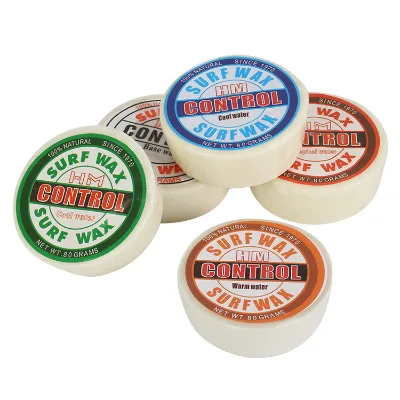
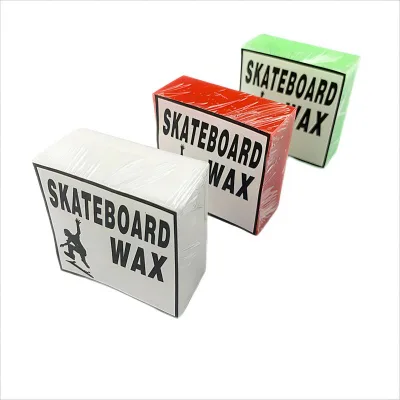
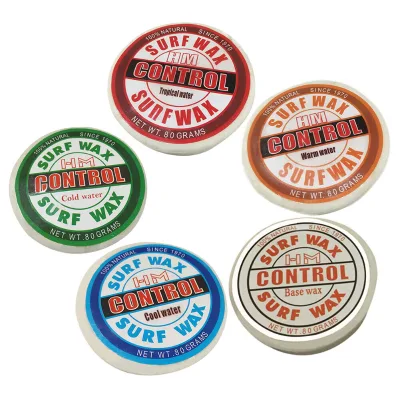
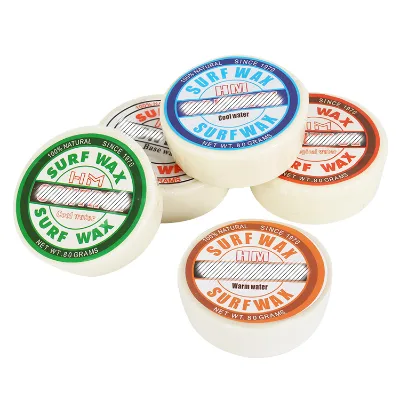

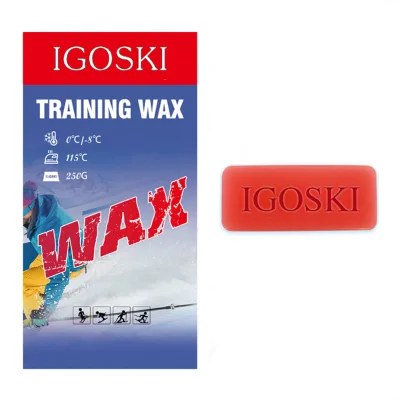


Comprehensive Sourcing Guide
Strategic Sourcing Guide for Tropical Cool Surfboard Wax
Understanding the Product Category and Technical Specifications
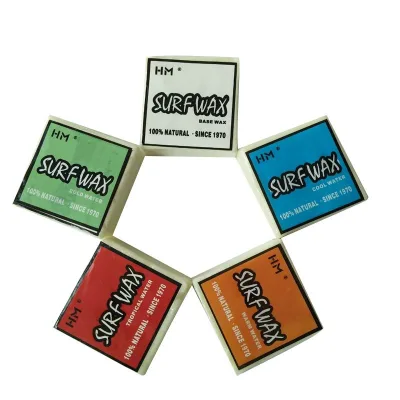
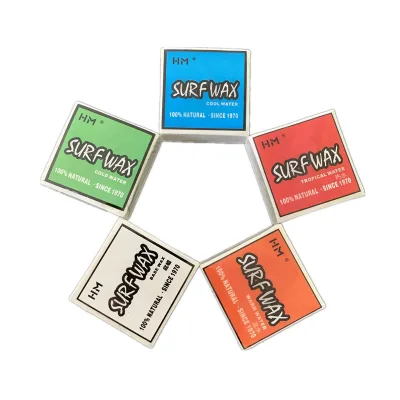
Sourcing tropical cool surfboard wax requires a precise understanding of the product's physical and chemical characteristics, as these directly influence performance in specific water temperatures. The core keyword "tropical cool" identifies a specific thermal category within the broader surfboard wax market. Based on observed product attributes, this category is designed for water conditions that are neither freezing nor intensely hot, typically falling within the mid-range of tropical climates. The product is explicitly categorized under types such as "Warm," "Tropical Cool," "Cold," and "Base Wax," indicating that buyers must distinguish between these formulations to ensure optimal grip and longevity on the board.
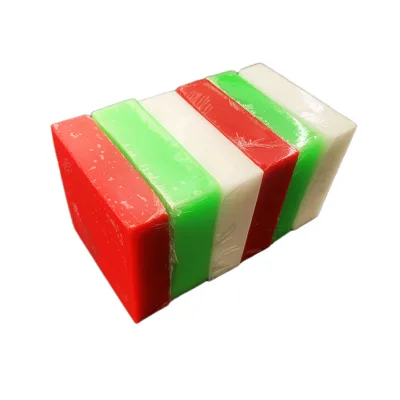
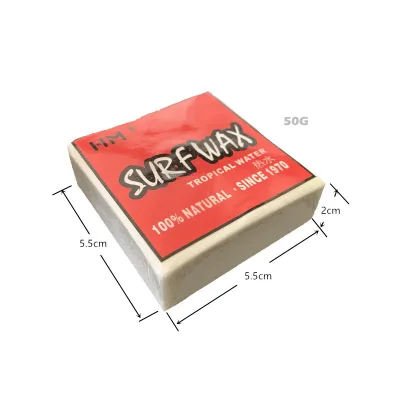
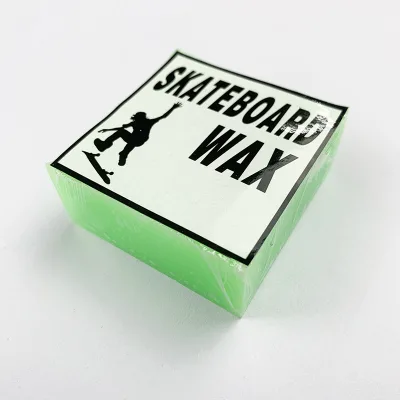
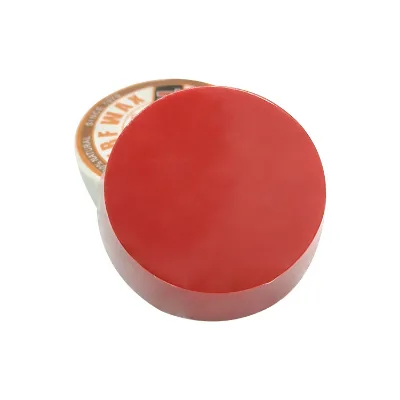
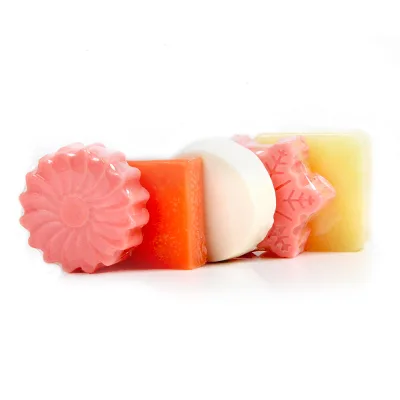
The physical form of the wax is a critical specification. While some listings describe a "Round" shape, others specify a "Square" shape, and some products offer both "Round and Square" options. The square configuration, often associated with models like "square wax-03-cold" or "square wax-04-cool," may offer different surface area dynamics compared to the round variants. The standard dimensions for these products vary, with specific observations noting a size of 5.2cm by 5.2cm by 1.8cm, while other listings indicate a 5cm dimension or a "Standard" size. Buyers must verify the exact dimensions required for their inventory or specific board compatibility, as the "Single package size" can range from compact 20x8.5x5.5 cm units to larger 95x70x5 cm configurations depending on the packaging density.
The composition of the wax is another vital technical factor. The material profile indicates a blend of "Resin and Bee wax." This combination is standard for providing the necessary tackiness without melting too quickly in warm conditions. The weight of the individual unit is also a key specification, with observed data pointing to a weight range of 60-80 grams. This density ensures that the wax provides sufficient coverage without being excessive. Furthermore, the product is suitable for a wide array of water sports, including "Bodyboards, Kiteboards, Skimboards, Surfboards, and paddle board," making it a versatile item for suppliers targeting the broader action sports market.
Compliance, Certification, and Quality Verification
When procuring surfboard wax, the absence of explicit certification data in the provided product attributes necessitates a rigorous verification process by the buyer. The supply chain facts do not list specific international safety certifications, environmental standards, or chemical compliance documents. Therefore, buyers must treat the product attributes as observations rather than guaranteed compliance markers. The "prod_standard" field mentions "60-80kg," which appears to be a weight specification rather than a regulatory standard, and another entry lists "5.2cm5.2cm1.8cm" as a standard, which refers to physical dimensions.
Buyers should proactively request documentation regarding the chemical composition of the resin and bee wax blend. Since the product is intended for direct skin contact during "Wave Surfing" in "Ocean waters," verifying that the materials are non-toxic and safe for prolonged exposure is essential. The "Place of Origin" is listed as "Zhejiang, China," a major manufacturing hub, but this location alone does not guarantee adherence to specific international safety protocols. Buyers should inquire about the manufacturer's internal quality control measures and whether they adhere to any recognized industry standards for surf gear.
Additionally, the "prod_standard" of "60-80kg" in the context of the product description might be a data entry error referring to weight, or it could imply a load-bearing capacity for packaging, but it is not a recognized safety standard for the wax itself. Buyers must clarify this with the supplier. It is also important to verify the "OEM Logo Acceptable" and "Design: OEM" capabilities, ensuring that the customization process does not compromise the integrity of the wax formula. The packaging details, such as "Wraped by Bubble, Then Packed Into Carton" or "BOX OR PP BAG," should be evaluated for their ability to protect the wax from heat damage during transit, as improper packaging can alter the wax's physical properties before it reaches the consumer.
Cost Drivers and Pricing Dynamics
The pricing for tropical cool surfboard wax is influenced by several variables, including the specific model, packaging type, and order volume. The observed listed price range in the market spans from $0.52 to $3000 USD. This wide disparity suggests that the lower end represents individual units or small retail packages, while the higher end likely encompasses bulk industrial orders, custom branding projects, or specialized large-format units. The "Selling Units" are listed as "Single item," indicating that the base price point is accessible for small-scale testing, but the "MOQ" (Minimum Order Quantity) ranges from 1 to 500 pieces, offering flexibility for different buyer profiles.
The "Supply Ability" is noted as "5000 pieces per Month," which serves as a capacity indicator rather than a price driver, but it suggests that suppliers can handle moderate to large orders without significant bottlenecks. The "Delivery Time" of 3-8 days is relatively short, which can impact the overall cost structure by reducing inventory holding costs for the buyer. However, buyers should be aware that expedited shipping or custom packaging requests may incur additional fees not reflected in the base unit price.
The "Payment Way" is listed as "as You Would Like," which implies a high degree of flexibility in financial terms, but buyers should still establish clear payment terms to mitigate risk. The "Weight" of 60-80g per unit and the "Single gross weight" of 1.000 kg (likely for a packaged unit) are critical for calculating shipping costs, which can be a significant portion of the total landed cost, especially for international procurement. Buyers should request detailed freight quotes based on the specific "Single package size" to ensure accurate budgeting.
Typical Applications and Market Segmentation
The versatility of tropical cool surfboard wax allows it to serve multiple market segments and application scenarios. The primary application is "Wave Surfing," but the product attributes explicitly state suitability for "Bodyboards, Kiteboards, Skimboards, Surfboards, and paddle board." This broad applicability makes the product attractive to distributors who cater to a diverse range of water sports enthusiasts. The "Occasion" is specified as "Ocean waters," indicating that the wax is formulated to withstand the salinity and temperature variations found in marine environments.
The "Feature" list includes "Anti-Friction," "Warm," and "Sunscreen," which are key selling points for consumers. The "Anti-Friction" property ensures that the wax maintains grip even when the board is wet, while the "Warm" and "Sunscreen" features suggest that the wax offers protection against the elements, which is particularly relevant for tropical conditions. The "Design: OEM" and "Logo: OEM Logo Acceptable" attributes highlight the product's suitability for private labeling, allowing retailers to create their own branded lines without manufacturing the wax themselves.
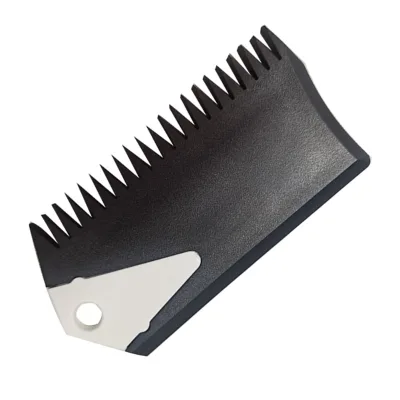
The "Production Name" varies between "Surfboard Wax" and "Surfboard Wax(Without Wax Comb)," indicating that buyers must specify whether they require the wax alone or a set that includes a comb. The "Shape" options of "Round," "Square," or "Round and Square" allow for differentiation in product lines, catering to different consumer preferences regarding application ease and surface coverage. The "Type" classification into "Base Wax," "Warm Wax," "Tropical Wax," "Cool Wax," and "Cold Wax" allows suppliers to segment their inventory based on water temperature, ensuring that the "Tropical Cool" variant is positioned correctly in the market.
Supplier Evaluation and Operational Capabilities
Evaluating a supplier for tropical cool surfboard wax requires a focus on their production capabilities, customization options, and logistical reliability. The "Production Name" and "Model Number" (e.g., "wax-03-tropical," "square wax-04-cool," "SR-WAX") indicate a structured product line, suggesting that the supplier has a systematic approach to manufacturing. The "Place of Origin" being "Zhejiang, China" is a common location for surf gear manufacturing, but buyers should verify the specific factory's capacity and reputation.
The "Customization: Available" attribute is a significant factor for buyers looking to create unique products. The ability to accept "OEM Logo" and "Design: OEM" requests means that suppliers can tailor the product to meet specific branding needs. However, buyers should confirm the lead times for custom orders, as these may differ from the standard "3-8 Days" delivery time for stock items. The "MOQ" of 1PC to 500 pieces offers flexibility, allowing small businesses to test the market with low risk while enabling larger enterprises to secure bulk pricing.
The "Package" options, including "BOX" and "BOX OR PP BAG," provide choices for different retail strategies. The "Packing Details" of "6pcs/Carton" suggest a standardized unit for shipping, which simplifies logistics. Buyers should assess the durability of the packaging, as the "Wraped by Bubble, Then Packed Into Carton" method is designed to protect the wax during transit. The "Single gross weight" of 1.000 kg per package is a critical data point for freight planning, and buyers should ensure that the supplier's packaging aligns with their shipping requirements.
Quality Control and Long-Term Procurement Strategy
Implementing a robust quality control (QC) strategy is essential for maintaining product integrity and customer satisfaction. Given the absence of explicit certification data, buyers should establish a QC protocol that includes visual inspections, weight verification, and performance testing. The "Weight" specification of 60-80g should be strictly monitored to ensure consistency across batches. Any deviation from this range could indicate issues with the resin and bee wax blend, potentially affecting the wax's performance.
Long-term procurement considerations involve building a sustainable relationship with the supplier. The "Supply Ability" of 5000 pieces per month suggests that the supplier can support growth, but buyers should discuss contingency plans for demand spikes. The "Delivery Time" of 3-8 days is a strong indicator of efficiency, but buyers should verify if this timeline holds during peak seasons or holidays. The "Payment Way" flexibility is advantageous, but buyers should negotiate terms that protect their interests, such as escrow services or letters of credit for large orders.
The "Feature" of "Durable Comfortable" implies that the product is designed for longevity, but buyers should request samples to verify these claims. Testing the wax's resistance to melting and its grip in tropical conditions is crucial before committing to large orders. The "Application" of "Enjoy Wonderful Surfing Experience" is a marketing claim, but the underlying product performance must meet the functional requirements of the end-user. By focusing on these technical and operational aspects, buyers can ensure a successful procurement strategy for tropical cool surfboard wax.
Comparative Analysis of Product Variants
To facilitate informed decision-making, the following table compares key attributes of the observed surfboard wax variants. This comparison highlights the differences in shape, model, and specifications that buyers should consider when selecting the right product for their needs.
| Attribute | Variant A (Round) | Variant B (Square) | Variant C (Mixed) |
|---|---|---|---|
| Model Number | wax-03-tropical | square wax-04-cool | wax-001 |
| Shape | Round | Square | Round and Square |
| Type | Tropical Cool | Cool | Standard |
| Size | 5.2cm5.2cm1.8cm | 5.2cm5.2cm1.8cm | 5cm |
| Weight | 60-80g | 60-80g | 60-80g |
| Material | Resin and Bee wax | Resin and Bee wax | Resin and Bee wax |
| Packaging | Bubble + Carton | Bubble + Carton | Bubble + Carton |
| Usage | Surfboards, Paddle Boards | Surfboards, Bodyboards | All Water Sports |
This table illustrates that while the core material and weight remain consistent across variants, the shape and specific model number offer differentiation. Buyers should select the variant that best aligns with their target market's preferences and the specific requirements of their distribution channels. The "Type" column confirms that the "Tropical Cool" and "Cool" variants are distinct but related, requiring careful selection based on the intended water temperature range. By leveraging this comparative data, buyers can optimize their inventory mix and ensure they offer the right product for every surfing condition.
FAQs
What materials are used to make tropical cool surfboard wax?
The wax is composed of a blend of resin and bee wax. This combination provides the necessary tackiness for grip while preventing the wax from melting too quickly in warm tropical water conditions.
Which shapes are available for tropical cool surfboard wax products?
Products are available in round, square, or both round and square shapes. Specific models like wax-03-tropical may feature a round shape, while square wax-04-cool offers a square configuration for different application preferences.
Can buyers customize the logo and design for this wax?
Yes, customization is available with OEM logo acceptance and design options. Buyers can request specific branding, though the standard delivery time of 3-8 days applies to stock items while custom orders may vary.
What is the minimum order quantity for tropical cool surfboard wax?
The minimum order quantity ranges from 1 piece to 500 pieces depending on the supplier. This flexibility allows small buyers to test the market with a single unit while larger enterprises can secure bulk pricing.
How is the wax packaged for shipping and protection?
Items are typically wrapped in bubble wrap and packed into cartons or boxes. Some options include PP bags, with packing details often specifying six pieces per carton to ensure safe transit and heat protection.
Which water sports is this wax suitable for besides surfing?
The wax is suitable for bodyboards, kiteboards, skimboards, and paddle boards. It is designed for ocean waters and offers features like anti-friction and sunscreen protection for various wave surfing and board activities.